Dendrobium Nobile Not Blooming: 7 Reasons & How to Fix It
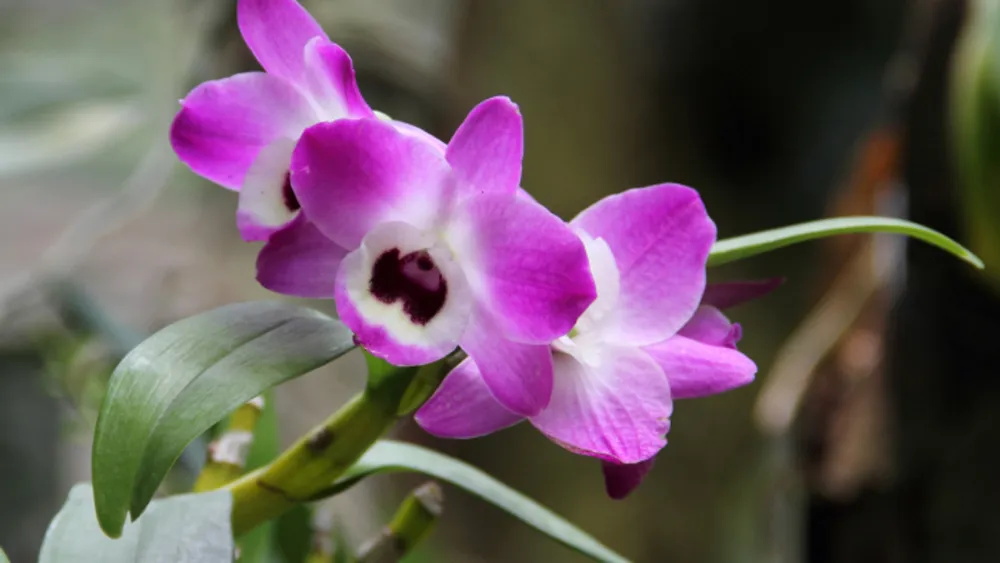
By Linda · Published August 24, 2026
This guide follows American Orchid Society (AOS) culture standards and Royal Horticultural Society (RHS) growing advice.
Before you change anything, answer one question: did your dendrobium nobile get a winter this year?
- 🟢 Yes — cool, dry, bright for 6–8 weeks? → Look at light and maturity instead (scroll to reason 4).
- 🔴 No — warm and watered all year? → That’s your answer. It read “eternal summer” and grew canes instead of flowers.
If you searched “dendrobium nobile not blooming” or “why won’t my dendrobium bloom,” here is the complete fix — why it happens and exactly how to make it flower next spring.
Why the Rest Matters
In the Himalayan and Southeast Asian highlands where nobile-type dendrobium nobile evolved, autumn brings shorter days, cool nights, and months without meaningful rain. The plant reads those signals, finishes maturing its canes, and sets flower buds at the nodes. The American Orchid Society describes this as a “dry winter rest” that is required — not optional — for nobile types to bloom. If you keep it warm and watered year-round on a windowsill, it reads “eternal June” and never flowers.
The 7 Reasons Your Dendrobium Nobile Won’t Bloom
1. No winter rest (the #1 cause). Kept warm and watered all year, the plant grows keikis and fat canes instead of buds. This is nine out of ten cases.
2. Rest too warm. Nights must drop to 10–13°C (50–55°F). A living room at 20°C all night is not a rest.
3. Rest too dark. “Resting” doesn’t mean dark. Keep the light high — the RHS stresses that bright winter light is what triggers bud initiation at the nodes.
4. Plant not mature. Canes need 2–3 years from growth to full blooming strength. A seedling will not flower no matter how perfect your rest is.
5. Not enough light in summer. Leaves must be olive-green, not deep green. A dark-green plant was starved of light all summer and stored no energy to bloom.
6. Starved plant. A dendrobium that wasn’t fed during the growing season can’t build a flower crop. Feed spring through early autumn, then stop.
7. Root damage. Rotting roots from broken-down mix can’t support a bloom. Repot when the mix turns spongy — see the repotting guide.
The Recipe: How to Give a Proper Winter Rest
(nobile, anosmum, lindleyi, chrysotoxum, fimbriatum & hybrids)
- Timing: start when new canes are fully grown and leaves begin to yellow or drop naturally in autumn.
- Cool nights: 10–13°C at night is the target; days up to 18–20°C are fine. A cool spare room, insulated porch, or a spot near cool window glass all work — a min-max thermometer helps you verify the actual night temperature.
- Bright light: keep light high — if your winter windows are dim, a grow light on a timer makes the difference.
- Withhold water: a light drink every 2–3 weeks, just enough to keep canes from shriveling severely. No fertilizer.
- Duration: 6–8 weeks, typically December–January. Buds appear at the upper cane nodes in late winter; flowers open in spring.
The moment buds form, ease back to normal warmth and watering gradually — don’t shock the plant by changing everything overnight.
What a Proper Rest Looks Like
| Observation during rest | Verdict |
|---|---|
| Slight cane wrinkling, leaves dropping | Normal — keep going |
| Deep shriveling, canes going soft | Too dry — one light drink now |
| Keikis sprouting instead of buds | Too warm; move cooler next year |
| Buds at the nodes by late winter | Success — resume care gradually |
Exceptions: Plants That Don’t Need This
Warm-growing phalaenopsis-type dendrobiums (bigibbum, D. phalaenopsis and most purple “Den-Phal” hybrids) bloom without a cold rest — they want steady warmth, bright light, and year-round moisture. If one of these isn’t blooming, the fix is usually more light, not a winter chill. Check your plant’s species page to confirm which group it belongs to.
If the Rest Still Doesn’t Work
Go down this checklist in order:
- Light — leaves must be olive-green, not deep green. The #1 hidden cause.
- Maturity — canes need 2–3 years; seedlings won’t flower.
- Feeding — a starved plant can’t build blooms. See our fertilizer guide.
- Root health — repot when the mix breaks down; rotten roots can’t support a flower crop.
Give the plant its honest winter once, and you’ll understand why growers say nobile dendrobiums bloom because of the cold, not despite it.
Sources
- American Orchid Society — Dendrobium Culture Sheet
- Royal Horticultural Society — Dendrobium nobile care guide
- Kew Gardens — Dendrobium nobile (Sw.)
Related Guides
- Dendrobium Light & Temperature Guide
- Dendrobium Yellow Leaves: 7 Causes & Fixes
- How to Repot a Dendrobium Nobile
- How to Water Dendrobiums
FAQ
How long should a dendrobium winter rest be?
About 6–8 weeks of cool nights (10–13°C), bright light, and minimal water — from when canes finish growing in autumn until buds appear in late winter.
My dendrobium grew keikis instead of flowers. Why?
Keikis (baby plantlets on the cane) usually mean the plant skipped a proper rest — warm, well-watered conditions push vegetative growth instead of buds.
Should I fertilize during the winter rest?
No. Stop fertilizer with the rest and resume only when you see buds or new roots in spring.
Why is my dendrobium nobile not blooming even after a rest?
Check light (leaves must be olive-green), plant maturity (2–3 year canes), summer feeding, and root health — in that order. Most failed rests are actually a light or maturity problem.
Related Guides
Dendrobium Nobile Light & Temperature Requirements
How much light dendrobium nobile needs, the leaf-color test, temperature ranges for nobile vs phalaenopsis types, and the winter chill that triggers blooms.
How to Repot a Dendrobium Nobile Orchid: Step-by-Step Guide
How to repot a dendrobium nobile the right way — timing after flowering, one-size-up pot rule, root assessment, and aftercare. Backed by AOS guidelines.
How Often to Water Dendrobium Nobile (Seasonal Schedule)
The seasonal rhythm that keeps dendrobium nobile alive and blooming: heavy soaks in summer, a dry rest in winter. Backed by AOS guidelines.
Dendrobium Nobile Yellow Leaves: 7 Causes & How to Fix Them
Dendrobium nobile yellow leaves are usually fixable. Learn the 7 causes — from normal aging to root rot — and exactly how to fix each one.